Guangyi Liu
 |
Guangyi Liu |
Welcome
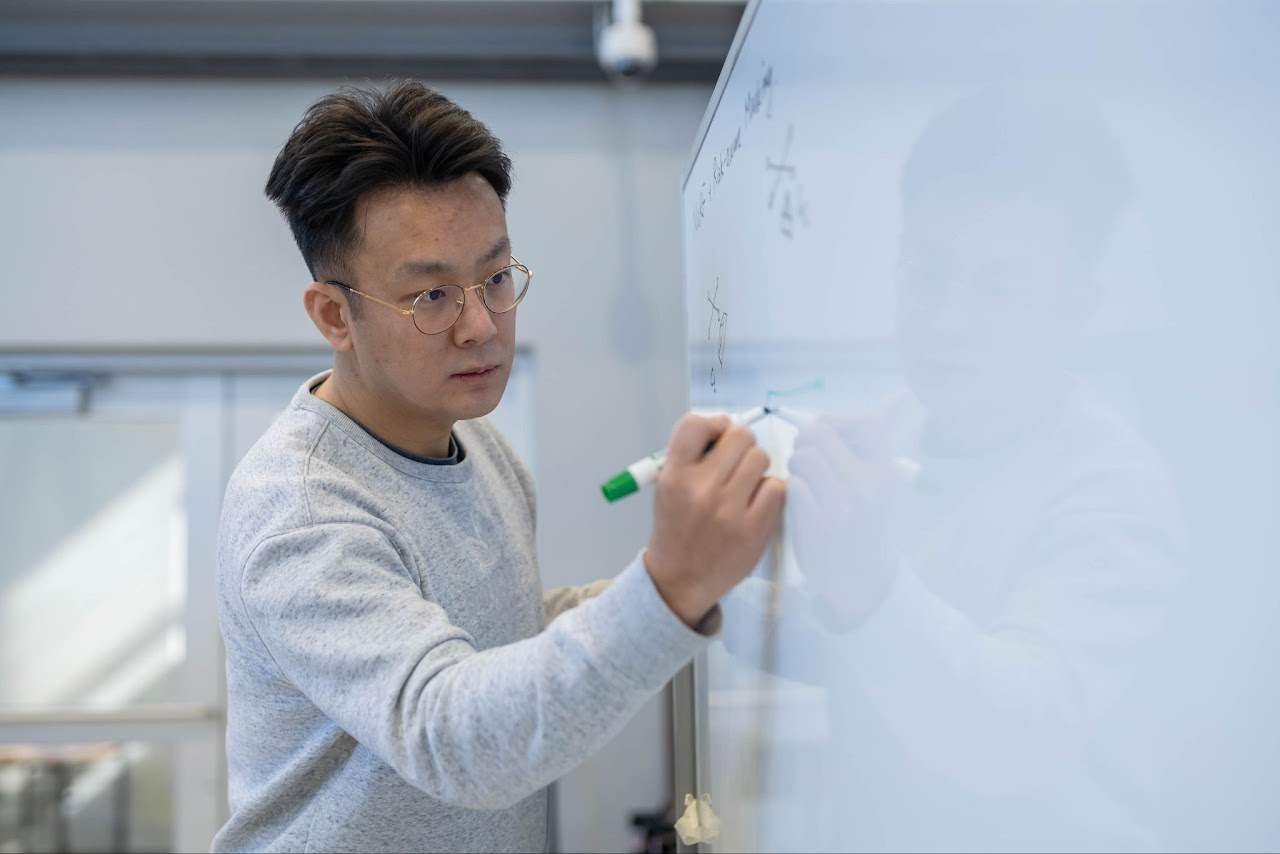
Hi, welcome to my website! I am currently a Postdoctoral Research Scientist at Amazon Robotics. I obtained my Ph.D. at the Autonomous and Intelligent Robotics (AIR) Laboratory, Department of Mechanical Engineering, Lehigh University, working under the advisory of Prof. Nader Motee. Before joining Lehigh, I obtained my B.E. degree at Beijing Institute of Technology. My research interests are risk and robustness analysis in networked control systems and perception systems. I served as a workshop organizer in ACC 2023 and organized five invited sessions at ACC 2023 - 2026.
Education
Ph.D. in Mechanical Engineering, Lehigh University, 2024
M.S. in Mechanical Engineering, Lehigh University, 2018
B.E. in Aircraft Design and Engineering, Beijing Institute of Technology, 2016
Media
“Innovative algorithms for safer robot perception” interviewed by P.C. Rossin College of Engineering and Applied Science, Lehigh University.
Recent News
(3/2/2026) Our new paper Multi-Objective Reinforcement Learning for Large-Scale Tote Allocation in Human-Robot Collaborative Fulfillment Centers is online now!
(1/31/2026) Our recent work Active Next-Best-View Optimization for Risk-Averse Path Planning was accepted at ICRA 2026!
(1/18/2026) Our invited session on “Autonomous Risk-Aware Perception, Planning, and Control”, co-organized with Na Li, Ufuk Topcu, Michael M. Zavlanos, and Nader Motee was accepted at ACC 2026!
Selected Talks and Seminars:
(05/2025) “Distributionally Robust Multi-Agent Reinforcement Learning for Dynamic Chute Mapping” at 2nd Northeast Systems and Control Workshop (NESCW).
(09/2024) “Beyond Uncertainty: Risk-Aware Active View Acquisition for Safe Robot Navigation and 3D Scene Understanding with FisherRF” at NERC 2024.
(05/2024) “Towards Safe Learning and Perception-based Networked Control Systems: A Risk-aware Approach” at the GRASP seminar at UPenn.
(10/2023) “Distributionally Robust Mitigation of Cascading Risk in Cooperative and Competitive Vehicle Platooning” at the xLab, UPenn.
(08/2023) “Risk of Misperception in Decision-Making and Control” on behalf of my advisor Prof. Nader Motee, at the ONR Science of Autonomy Program Review.
Selected Research Areas
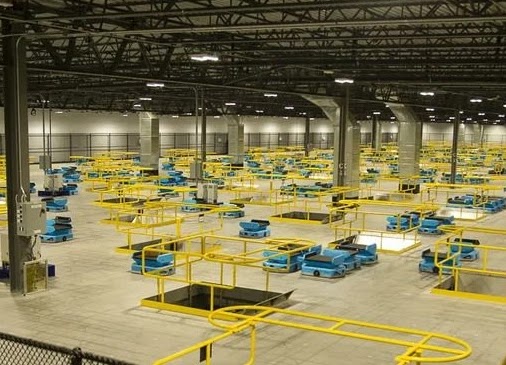 |
Distributionally Robust Multi-Agent Reinforcement Learning for Dynamic Chute Mapping (Paper: C13) |
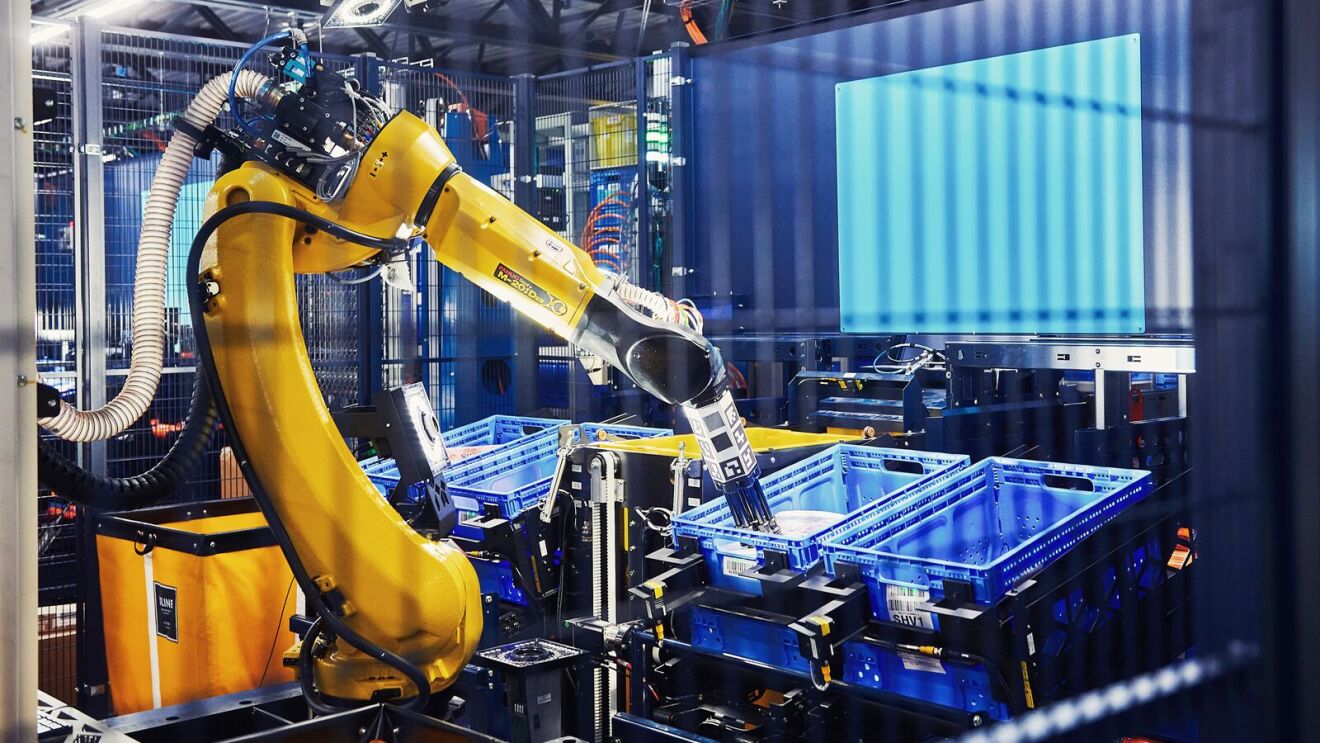 |
Multi-Objective Reinforcement Learning for Warehouse Optimization and Resource Allocation (Paper: P5) |
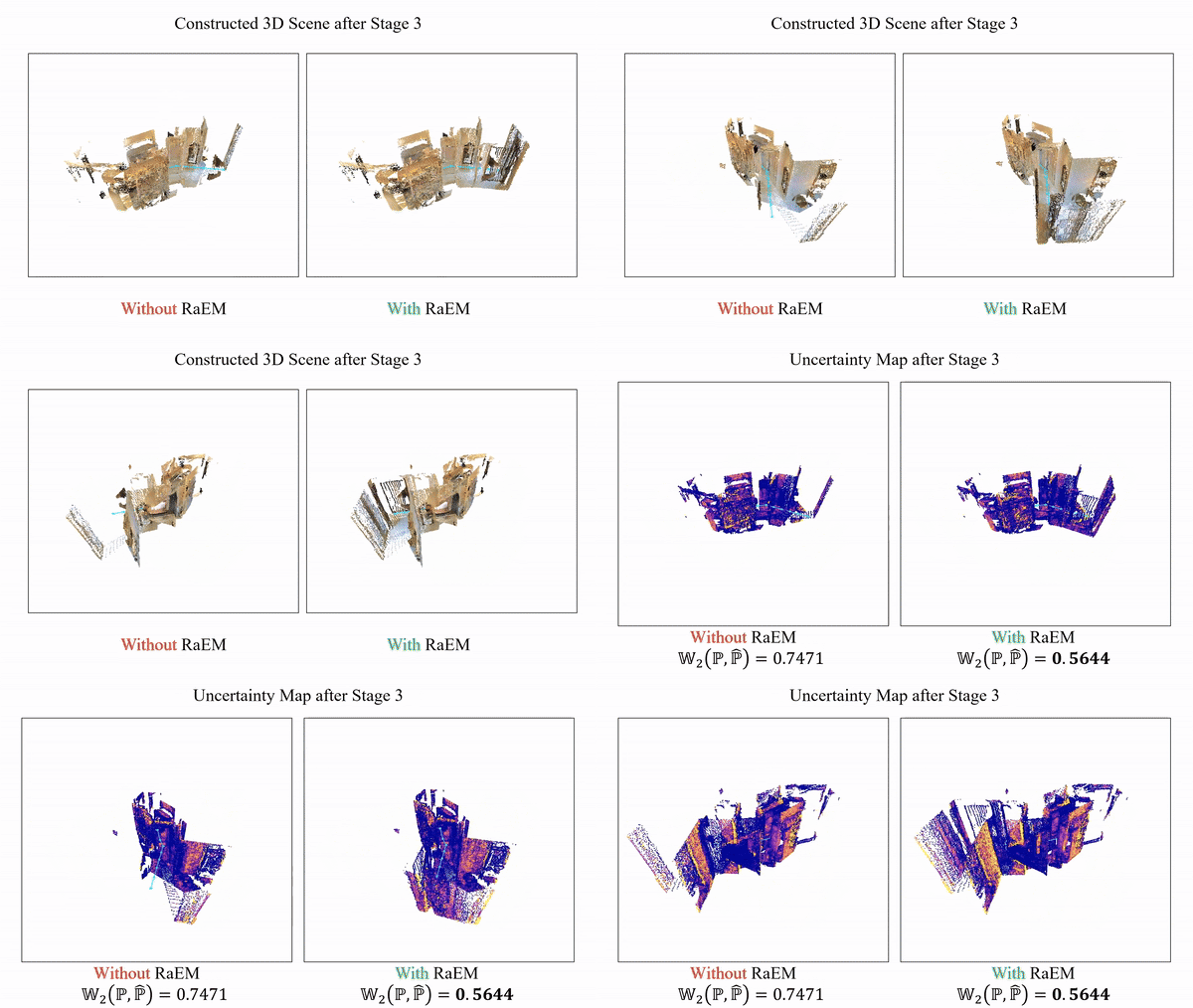 |
Beyond Uncertainty: Risk-Aware Active View Acquisition for Safe Robot Navigation and 3D Scene Understanding with FisherRF (Paper: C12, C14) |
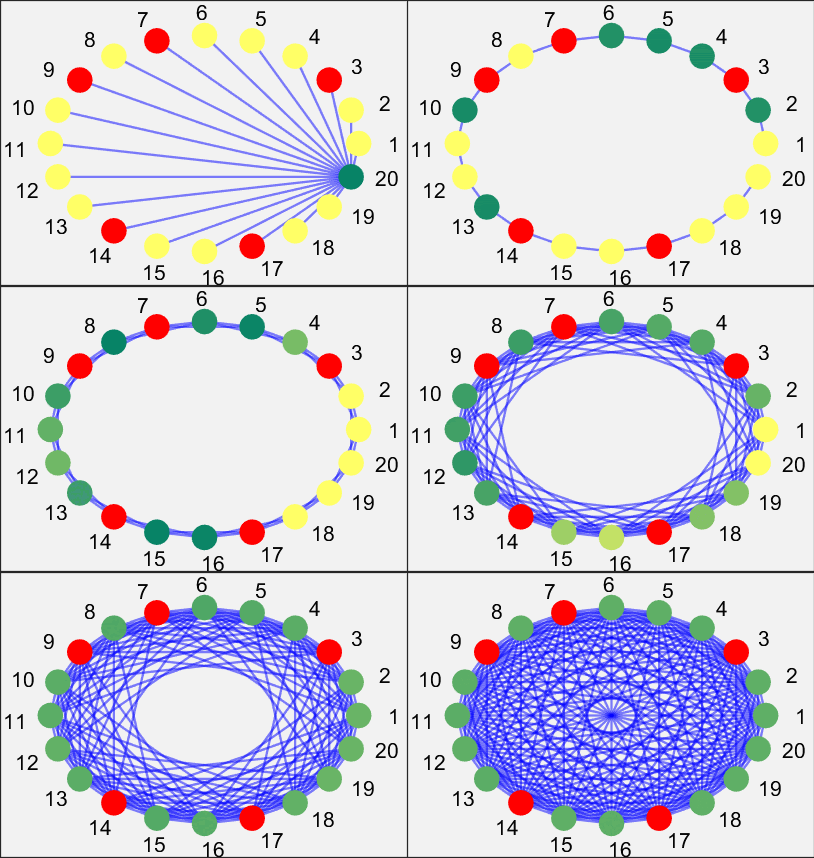 |
Risk Analysis and Mitigation of Cascading Failures in Networked Control Systems (Papers: J1-J2 C3-C6, C8-C9) |
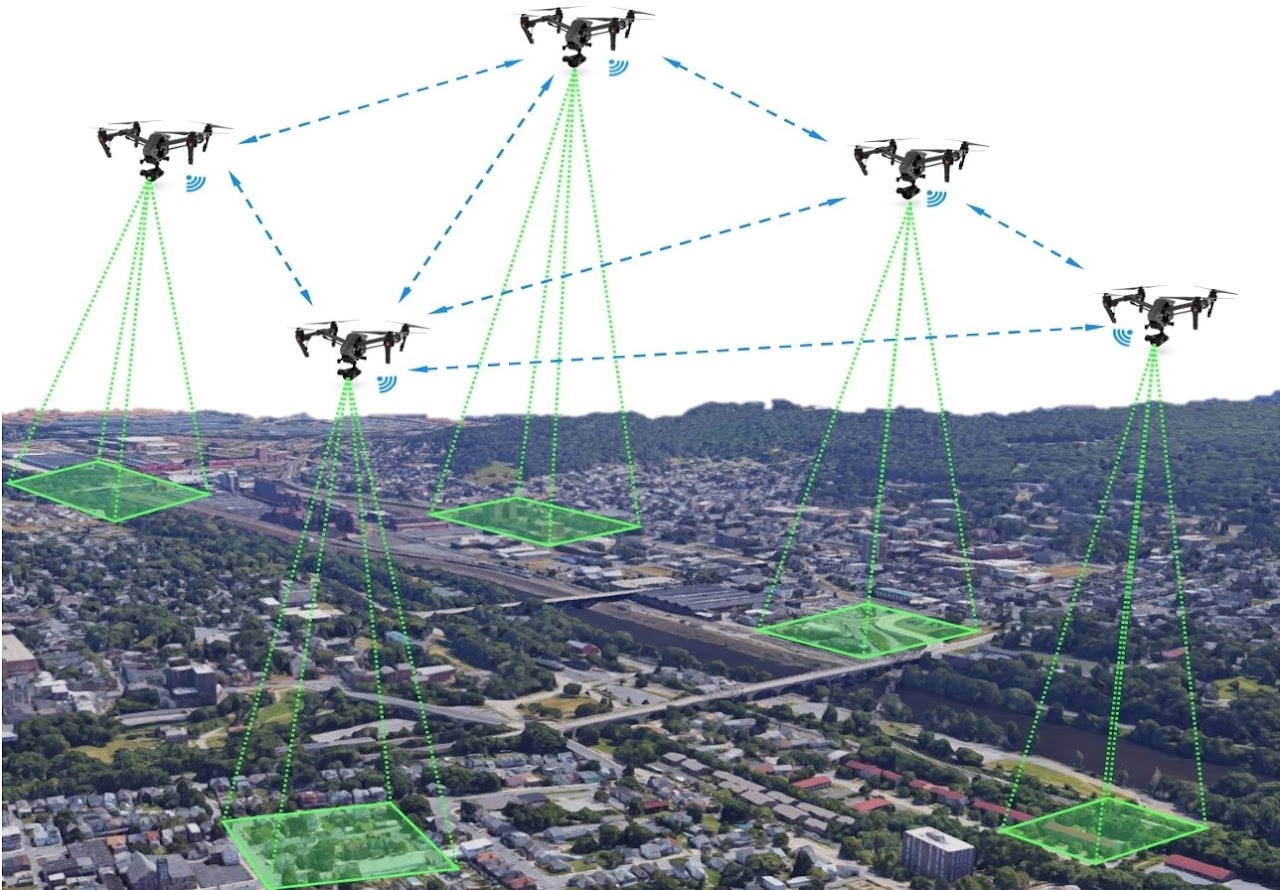 |
Robust Analysis of Multi-agent Map Classification with RNN (Papers: C1-C2, P1 - P4) |